



Brief profile to follow.

© Deutscher Wetterdienst
The Deutsche Wetterdienst (German Weather Service), as the Federal Supreme Authority, is part of the federal ministry's research portfolio. At the Leipzig branch, in addition to providing up-to-date weather and climate consulting services, applied meteorological and climatological research topics are addressed. These topics serve, on the one hand, to improve weather and climate predictions and, on the other hand, to support adaptation measures to climate change, particularly in relation to land use processes. To this end, there is close exchange with universities, colleges, research institutions, and responsible authorities within the framework of reliable cooperative relationships. Students and visiting scientists are regularly supervised through internships, scientific qualification projects, and exchange programs. This is in addition to several teaching assignments held by the staff of the branch at colleges and universities.

© Merseburg University of Applied Sciences
Merseburg University of Applied Sciences - Practical Studies in a Strong, Well-Connected Region
Founded on 1 April 1992, Merseburg University of Applied Sciences is a centre for applied science and research in the long-established industrial and cultural region of Saxony-Anhalt. It offers ideal conditions for successful study on a green campus that links all its facilities.
Merseburg University of Applied Sciences attracts prospective students and postgraduates from all over Germany and beyond - one in four students comes from abroad - thanks to its modern facilities, practical teaching and unique degree programmes. Around 3,000 students are currently enrolled on over 30 degree programmes, including part-time and dual programmes.
The wide range of courses includes subjects from computer science and technology, business and social sciences to media and culture. In addition to a sound academic education, the university offers targeted specialisations - from sexology to polymer materials science - and provides practice-relevant, internationally recognised educational content. As a result, it is a recognised and indispensable part of the higher education and research landscape in and around Leipzig.
In addition to their specialist expertise, students acquire valuable additional qualifications and degrees that are specifically tailored to the needs of companies. This helps to keep skilled workers in the region, and companies benefit from direct knowledge transfer.

© HZDR / André Künzelmann
The Helmholtz-Zentrum Dresden-Rossendorf (HZDR) performs – as an independent German research center – research in the fields of energy, health, and matter. We focus on answering the following questions:
-
How can energy and resources be utilized in an efficient, safe, and sustainable way?
-
How can malignant tumors be more precisely visualized, characterized, and more effectively treated?
-
How do matter and materials behave under the influence of strong fields and in smallest dimensions?
To help answer these research questions, HZDR operates large-scale facilities, which are also used by visiting researchers: the Ion Beam Center, the Dresden High Magnetic Field Laboratory and the ELBE Center for High-Power Radiation Sources.
HZDR is a member of the Helmholtz Association and has six sites (Dresden, Freiberg, Görlitz, Grenoble, Leipzig, Schenefeld near Hamburg) with almost 1,500 members of staff, of whom about 680 are scientists, including 200 Ph.D. candidates.
www.hzdr.de

© HHL/Daniel Reiche
HHL Leipzig Graduate School of Management is a university authorized to confer doctoral and post-doctoral degrees, achieving top positions in global rankings. The primary goal of Germany's oldest business school is to educate entrepreneurial, responsible and effective business leaders through outstanding teaching, research and practice. With around 800 students and over 140 employees, Germany's oldest business school offers nine postgraduate programs. Its research focuses include entrepreneurship, leadership and sustainability. HHL supports startups with initiatives such as HHL DIGITAL SPACE, SpinLab – The HHL Accelerator and HHL Gründerinnen-Initiative. In November 2024, HHL has been re-accredited by AACSB, the international seal of quality for excellence in research and teaching.
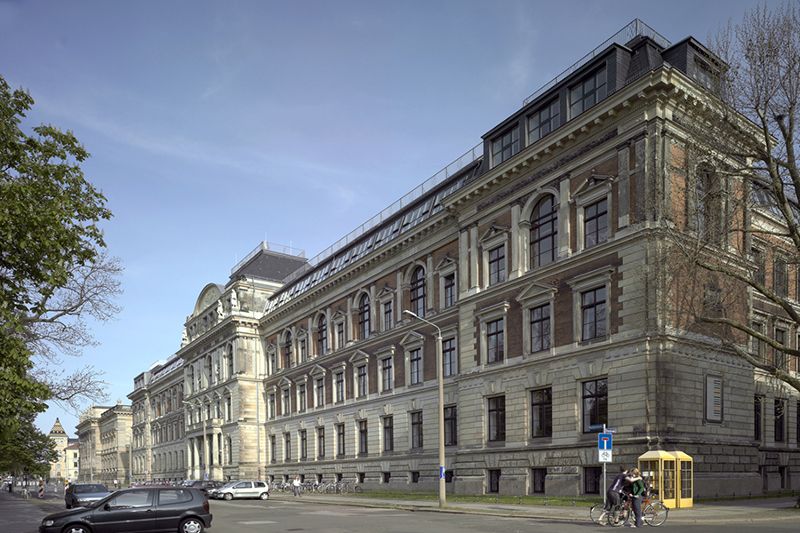
© HGB
Founded in 1764, the HGB is one of the oldest art academies in Germany. Around 600 students currently study in the four-degree programs Painting and Graphics, Book Art and Graphic Design, Photography, and Media Art. Since 2009, the master's program Cultures of the Curatorial, which is unique in Germany, has also been offered.
|
|
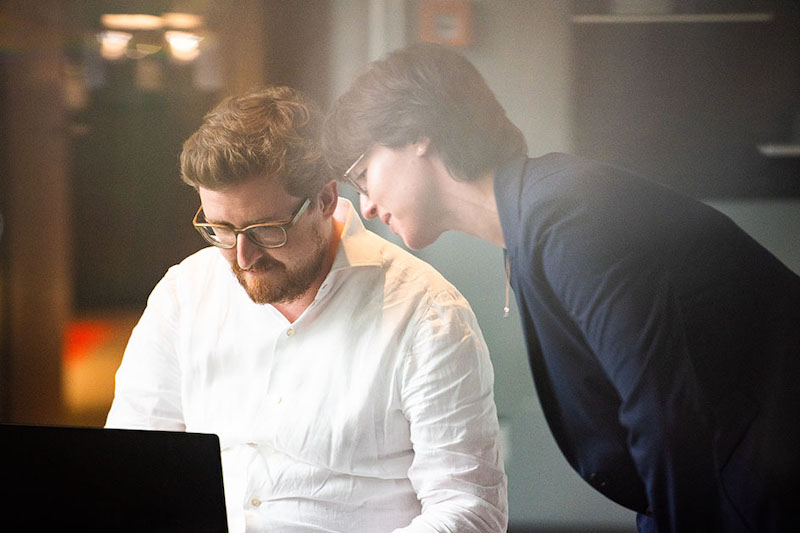
© Cyberagentur
The Cyber Agency was founded in 2020 as a federally owned company. The sole owner of the Cyber Agency is the Federal Republic of Germany, represented by the Federal Ministry of Defense (BMVg) and the Federal Ministry of the Interior for Construction and Home Affairs (BMI). Its mission is to contribute to Germany's technological sovereignty in cyberspace by promoting research and pioneering innovations in cybersecurity and related key technologies. To this end, targeted funding is granted for ambitious research projects in the areas of enabling technologies, critical systems, and human-machine interaction. The identification of research topics is based on trend analyses, impulses from the innovation ecosystem, and internal and external security stakeholders.
The project results will be made available to the German government.
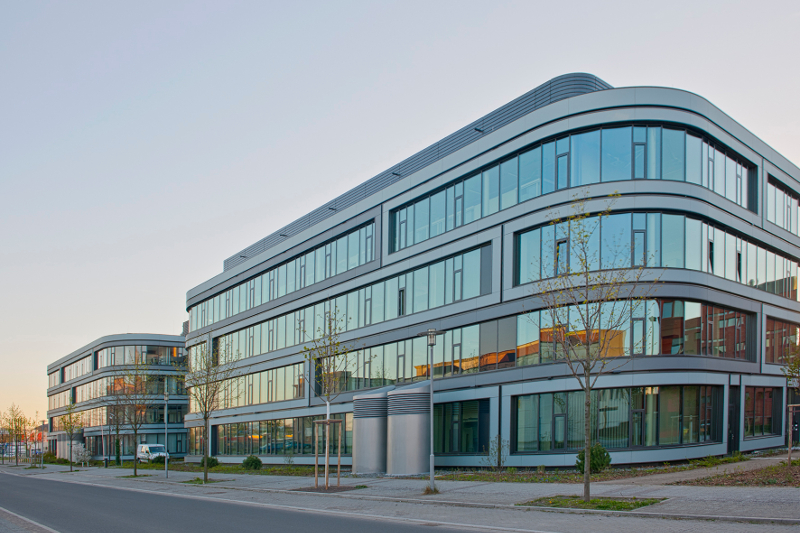
© Fraunhofer IZI
The Fraunhofer Institute for Cell Therapy and Immunology IZI researches and develops special problem solutions at the interfaces of medicine, life sciences, and engineering. One of its main tasks is contract research for biotechnological, pharmaceutical, and medical technology companies, clinics, diagnostic laboratories, and research institutions. Within the business areas of active agents, cell and gene therapy, diagnostics, and biosystems technology, Fraunhofer IZI develops, optimizes and validates processes, materials, and products.
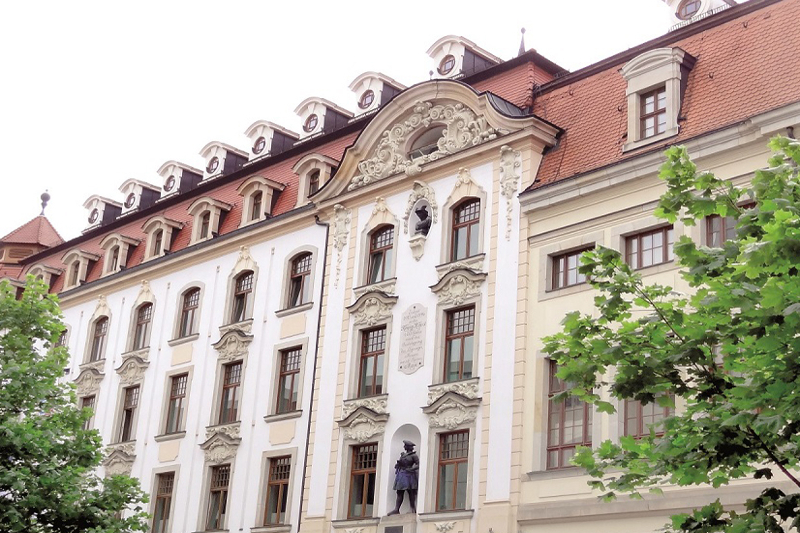
© Fraunhofer IMW
How do we balance competitiveness and sustainability in a globalized world? How does the interaction between business, science, politics, and society work in the face of globalization? In the fundamental change processes of our time, the researchers of the Fraunhofer Center for International Management and Knowledge Economy seek answers and advise business, politics, and science.
The Fraunhofer IMW looks back on more than ten years of applied socio-economic research at the Leipzig location. Around 170 scientists from 20 countries support clients and partners from business, industry, politics, research, and society is benefiting from globalization and digitization as drivers of innovation. Interdisciplinary research teams develop strategies, structures, processes, and instruments:
§ for knowledge and technology transfer between organizations,
§ transforming knowledge into innovation, and
§ understanding and shaping the associated framework conditions.
Originally founded as the Fraunhofer Center for Central and Eastern Europe MOEZ in 2006, the new content orientation of the DIN EN ISO 9001:2015 DNV-GL certified institute has been expressed in the new name Fraunhofer Center for International Management and Knowledge Economy IMW since 2016.
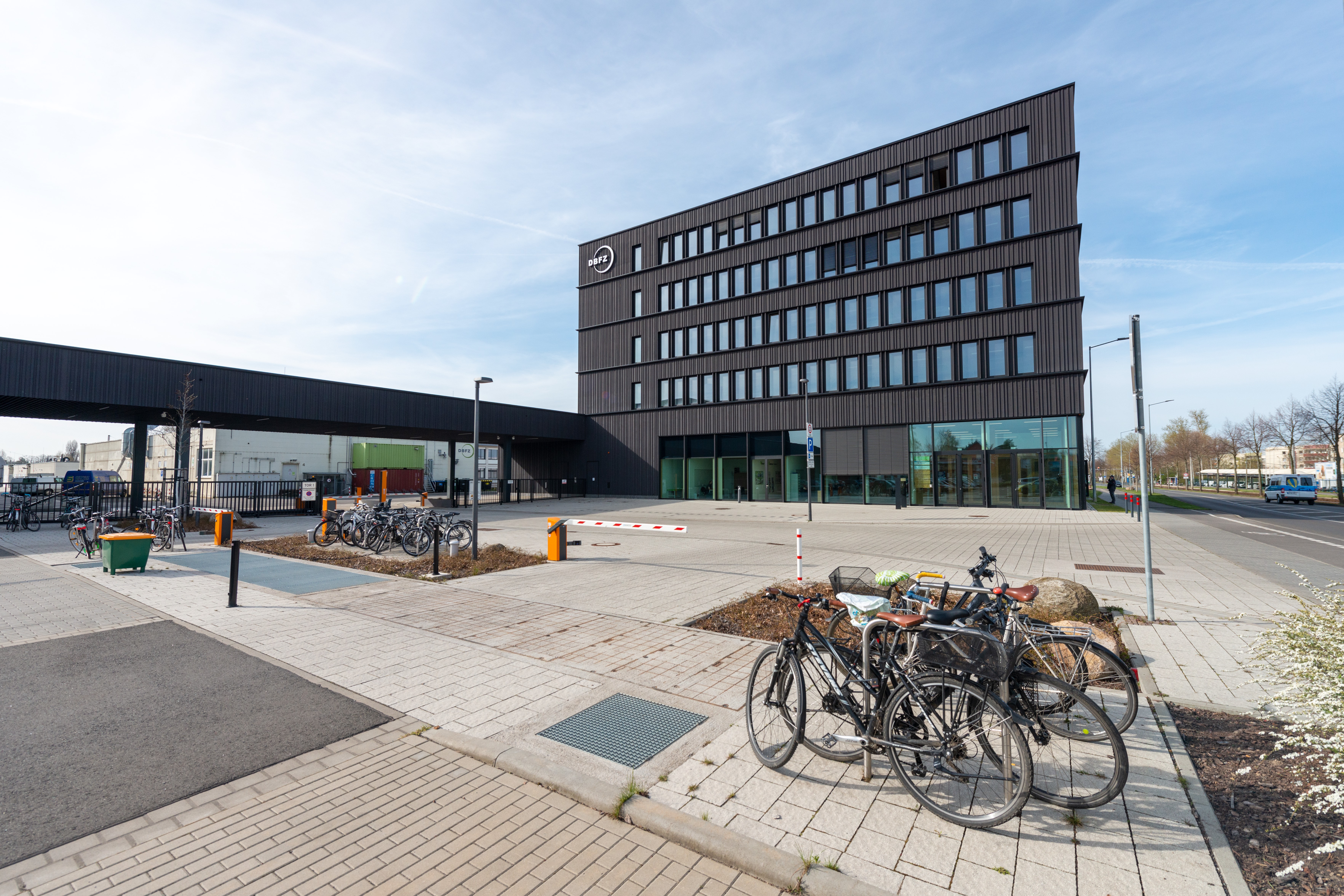
© DBFZ
The German Biomass Research Center works as a central and independent thought leader in the field of energetic and material biomass use on the question of how the limited biomass resources available can contribute to the existing and future energy system sustainably and with the highest efficiency and effectiveness. The work of the DBFZ is intended to expand the overall knowledge of the possibilities and limits of energetic and integrated material use of renewable raw materials in a biobased economy and to permanently secure the outstanding position of Germany as an industrial location in this sector.
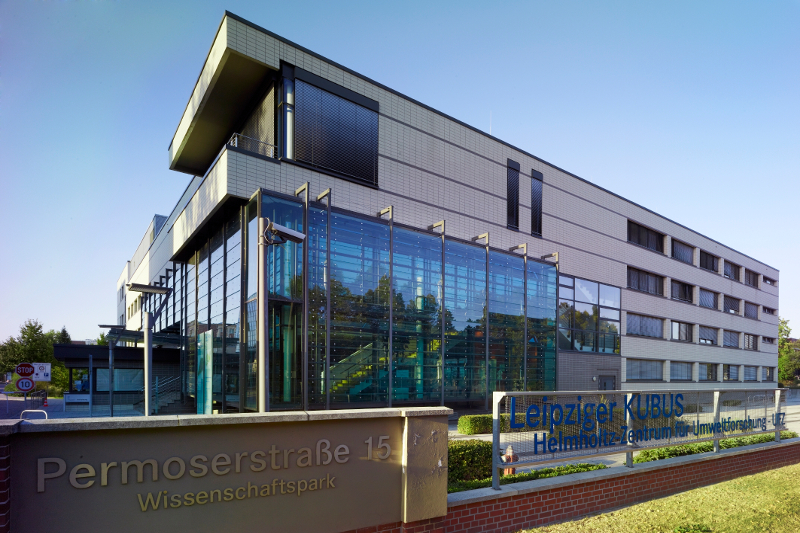
© André Künzelmann
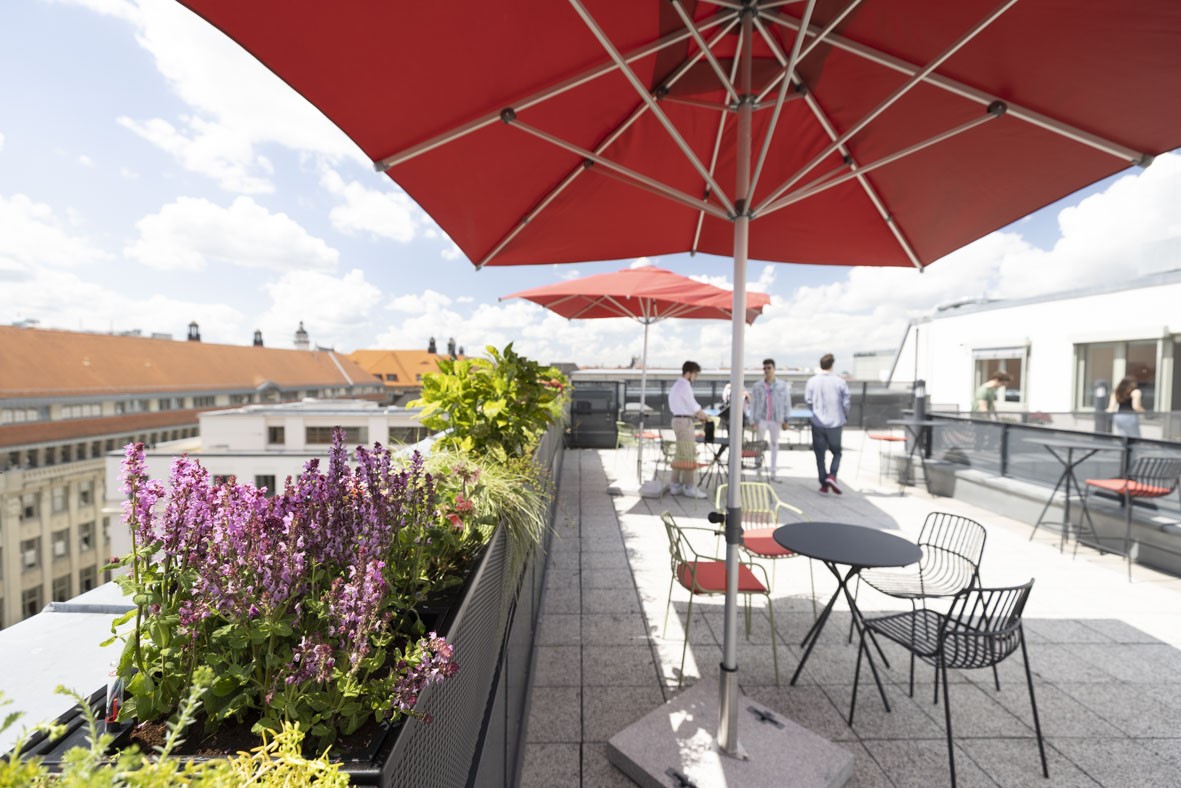
Biodiversity, functioning ecosystems, clean water, and intact soils are our natural foundations of life. They are the prerequisite for human existence and social development. At the UFZ, research is conducted into the complex interactions between humans and the environment under the influence of global change. Environmental research creates knowledge, technologies, and solution options to help find ways to reconcile a healthy environment with societal development. Core topics at the UFZ are (1) land use, biodiversity and ecosystem services, (2) water and soil resource management, (3) chemicals in the environment, (4) environmental and biotechnologies, (5) modeling and environmental monitoring, and (6) social science environmental research.
© Bertram Bölkow
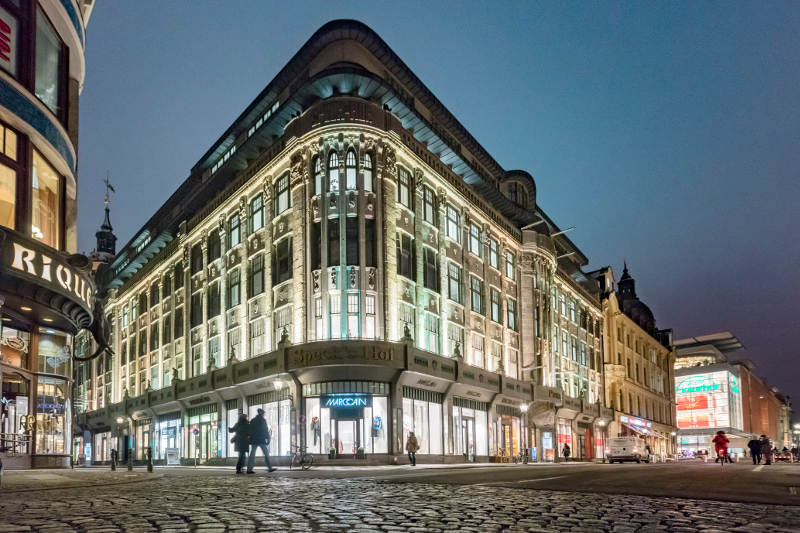
Across national and subject boundaries, the Institute researches the history and culture of our immediate Eastern European neighbors. The Council of Science and Humanities certifies that the Leibniz Institute for the History and Culture of Eastern Europe has not only modernized the entire field of research on East-Central Europe with its work but has also significantly intensified the scientific dialogue among researchers from the individual countries of East-Central Europe.
http://www.www.leibniz-gwzo.de
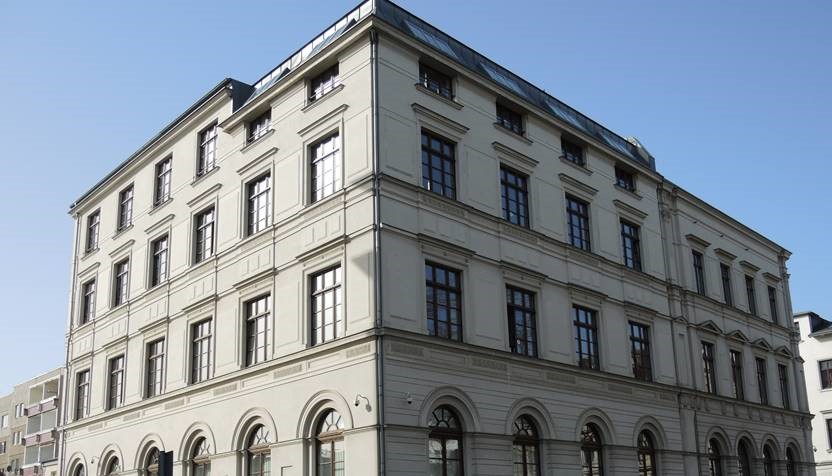
At the Dubnow Institute, around 30 scholars conduct interdisciplinary research with a pan-European perspective on Jewish lifeworlds from modern times to the present, primarily in Central and Eastern Europe. Spaces of Jewish emigration, especially Israel and America, are included. The internationally renowned research institute is committed to the secular tradition of its namesake, the Jewish-Russian historian Simon Dubnow (1860-1941), who acted as a cultural mediator between Eastern and Western European Jewry.
© IOM
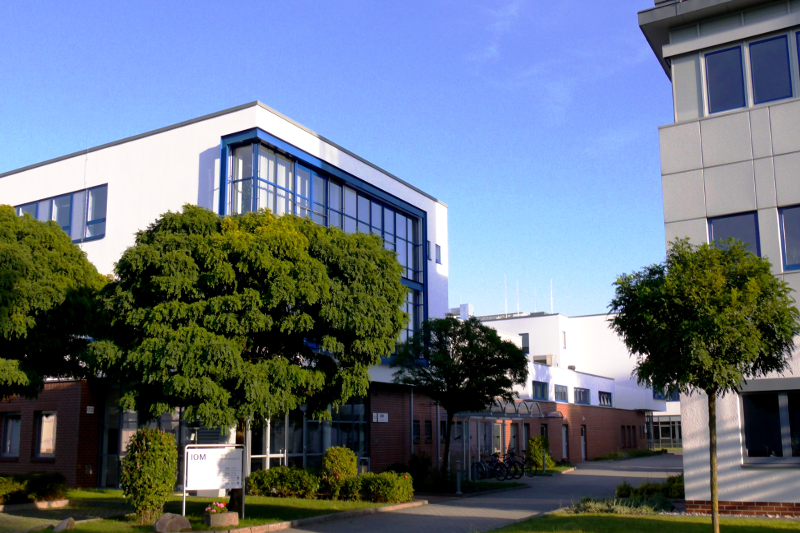
The IOM is engaged in application-oriented basic research in the field of the interaction of radiation with matter. In addition to the elucidation of physical and chemical interaction processes, the core competencies are essentially the modification and development of ultra-precise and functional surfaces and thin films using ion, electron, laser, and plasma technologies as well as their characterization. The sustainable transfer of processes and products in economically relevant and future-oriented fields of technology is the goal of the research and development work.
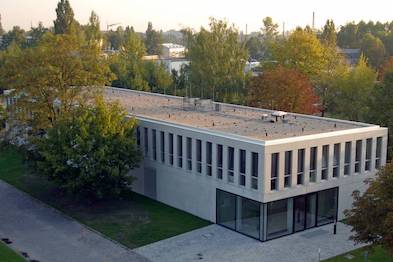
Desert dust from Africa found in Leipzig? This was proven in aerosols, the smallest airborne particles. Aerosols and clouds play a major role in the human-environment - climate system, with effects on our health. They are studied in this institute, which is unique in the world. In their cloud laboratory, the researchers succeeded in generating the first artificial cloud.
More Articles …
Page 1 of 2